
http://takesaftermom.livejournal.com/ (![[identity profile]](https://www.dreamwidth.org/img/silk/identity/openid.png) takesaftermom.livejournal.com) wrote in
takesaftermom.livejournal.com) wrote in ![[community profile]](https://www.dreamwidth.org/img/silk/identity/community.png) fandomhigh2011-02-10 02:21 pm
fandomhigh2011-02-10 02:21 pm
takesaftermom.livejournal.com) wrote in fandomhigh2011-02-10 02:21 pm


Entry tags:
Myths and Legends of the Deep {Thursday, Period 2}
Summer had set up today's class in the Danger Shop and let her students know with a handwavily e-mail.
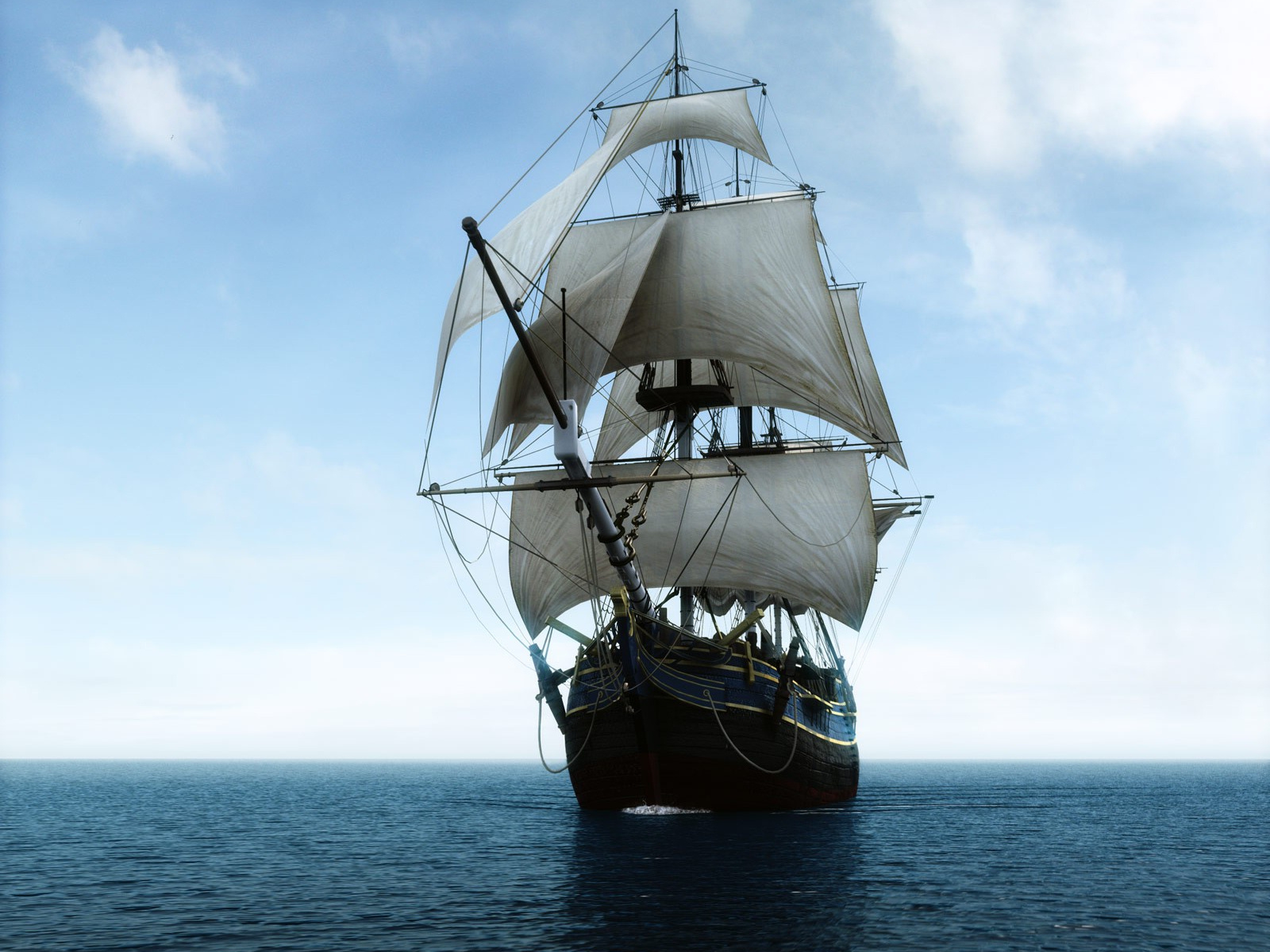
The Danger Shop was set up to replicate the open ocean. As soon as the students entered the room, they'd find themselves aboard a ship that might have been found from the 1800s or earlier.
"Today, we're talking about sea serpents. They are mythological sea monster that is either partially or wholly serpentine. Sightings of these creatures have been reported for hundreds of years and continue to this day. Even though numerous sightings have been reported over the years, there has been no physical evidence recorded," Summer explained.
"It's entirely possible that people have mistaken sightings of whales and oarfish for strange sea serpents. Some cryptozoologists have suggested that these sea serpents could have been are relict plesiosaurs, mosasaurs or other Mesozoic marine reptiles, an idea often associated with lake monsters such as the Loch Ness Monster."
Summer wasn't so sure about that but it did make some sense.
"Many cultures have varying myths about sea serpents. In Norse mythology, Jörmungandr, or 'Midgarðsormr' was a sea serpent so long that it encircled the entire world, Midgard. Some stories report of sailors mistaking its back for a chain of islands. Sea serpents also appear frequently in later Scandinavian folklore, particularly in that of Norway," she continued. As she spoke, the waters around the ship stirred and if the students looked over the side, they could see dark shapes swimming below the surface.
"Sea serpents were known to sea-faring cultures in the Mediterranean and Near East, appearing in both mythology (the Babylonian Labbu) and in apparent eye-witness accounts (Aristotle's Historia Animalium). Better known today are the Biblical references to Leviathan and Rahab, from the Hebrew Tanakh. In Greek and Roman mythology, a pair of sea serpents killed Laocoön and his sons when Laocoön argued against bringing the Trojan Horse into Troy," Summer said.
There were a good chunk of myths about sea serpents and Summer could have gone on for the entire class. Instead, she looked at her students and posed a question to them. "What are some sea serpent myths that you know of? After answering that question, feel free to explore the ship."
[OCD up!]
{Syllabus & Class Roster}
The Danger Shop was set up to replicate the open ocean. As soon as the students entered the room, they'd find themselves aboard a ship that might have been found from the 1800s or earlier.
"Today, we're talking about sea serpents. They are mythological sea monster that is either partially or wholly serpentine. Sightings of these creatures have been reported for hundreds of years and continue to this day. Even though numerous sightings have been reported over the years, there has been no physical evidence recorded," Summer explained.
"It's entirely possible that people have mistaken sightings of whales and oarfish for strange sea serpents. Some cryptozoologists have suggested that these sea serpents could have been are relict plesiosaurs, mosasaurs or other Mesozoic marine reptiles, an idea often associated with lake monsters such as the Loch Ness Monster."
Summer wasn't so sure about that but it did make some sense.
"Many cultures have varying myths about sea serpents. In Norse mythology, Jörmungandr, or 'Midgarðsormr' was a sea serpent so long that it encircled the entire world, Midgard. Some stories report of sailors mistaking its back for a chain of islands. Sea serpents also appear frequently in later Scandinavian folklore, particularly in that of Norway," she continued. As she spoke, the waters around the ship stirred and if the students looked over the side, they could see dark shapes swimming below the surface.
"Sea serpents were known to sea-faring cultures in the Mediterranean and Near East, appearing in both mythology (the Babylonian Labbu) and in apparent eye-witness accounts (Aristotle's Historia Animalium). Better known today are the Biblical references to Leviathan and Rahab, from the Hebrew Tanakh. In Greek and Roman mythology, a pair of sea serpents killed Laocoön and his sons when Laocoön argued against bringing the Trojan Horse into Troy," Summer said.
There were a good chunk of myths about sea serpents and Summer could have gone on for the entire class. Instead, she looked at her students and posed a question to them. "What are some sea serpent myths that you know of? After answering that question, feel free to explore the ship."
[OCD up!]
{Syllabus & Class Roster}
Re: Explore the ship
Re: Explore the ship
Re: Explore the ship
Re: Explore the ship
Re: Explore the ship
Re: Explore the ship
Re: Explore the ship
Re: Explore the ship