
Liliana Vess (![[personal profile]](https://www.dreamwidth.org/img/silk/identity/user.png) deathsmajesty) wrote in
deathsmajesty) wrote in ![[community profile]](https://www.dreamwidth.org/img/silk/identity/community.png) fandomhigh2025-12-10 01:43 am
fandomhigh2025-12-10 01:43 am
deathsmajesty) wrote in fandomhigh2025-12-10 01:43 am


Entry tags:
Health Education, Wednesday, Per 2
This was probably not the professor the class was expecting when they walked into the room. Luckily for them, said professor had Planeswalked to Ravnica for a shower this morning and therefore was in a much better mood than she might otherwise have been, had she not been able to do so. (Even luckier for them, said professor's fiancé was awake much earlier than she and had managed to stop her from getting into a shower on the island, and so she hadn't been drenched with either wine nor mocha.)
"Hello class," Liliana said. "Dr. Blake kindly took over one of my classes this semester and, in exchange, I promised to teach one of his. I am not a doctor and my health education was certainly very different than his, but one thing I did learn was knife and herb healing. There are a great many medicinal plants across the multiverse; many of them are also poisonous in the wrong dosage or from the wrong part, but that's a different class. Instead, I'm here to tell you about some of the more common medicinal herbs and plants you can find here on Earth and then show you how to use them."
Which wasn't as robust as if she were to do a class on Dominarian medicinal herbs, but a lot more useful.
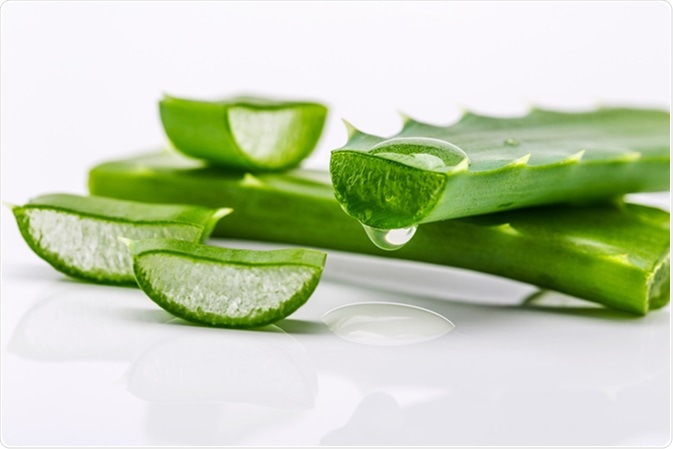
The first plant she pulled out was a green and spiky succulent. "This is aloe vera," she explained. "An incredibly useful plant with a number of useful properties. Rendering it down to a gel, you can use it topically to soothe burns, bug bites, and sores, as well as decreasing time required for wound healing. Aloe vera can also be taken internally; drinking the juice or eating the gel can aid in digestion, can soothe ulcers, and is a natural laxative. Too much can lead to diarrhea, so if taking it for that purpose, be careful. Additionally, it is known to reduce the sugars in the blood, which is useful for those with diabetes, but can be dangerous if taken in too large quantities or by someone who is already taking medication for diabetes, as it can lower blood sugar too much and lead to hypoglycemia. We will also be going over how to prepare aloe today, because untreated, the latex within the plant may lead to skin irritation."
She set the aloe vera plant aside and reached for the next, a plant with bright yellow balls on the end of the stems. "I grew up calling this golden buttons, but on Earth it's referred to as common tansy." she continued. "Tansy is useful in many respects, but also highly poisonous if the leaves and flowers--" she tapped the buttons, though they certainly didn't look like what most people would consider flowers "--consumed in high quantities. Dried flowers and leaves cooked or made into a tea are less toxic than a fresh plant, but unless you have studied herbs or are under the guidance of someone who has, I would greatly suggest not taking it internally, as what constitutes 'high quantities' differs from person to person. That said, tansy belongs in any medicinal garden. First, it is quite aromatic, and is useful in a sickroom to help keep the air fresh. The scent also deters many different kinds of insects, so lining a window sill with tansy or hanging the flowers often helps keep insects away. Which is also important in a sickroom. Eating or drinking tansy often leaves the mouth feeling cooler, much like eating something minty, though also slightly tacky, as the plant's oils leave a coating around your mucus membranes. Internally, tansy stimulates digestion, cures flatulence, and is frequently used to cure people of various forms of intestinal worms. It is also an emmenagogue, which means it can help bring on menstruation - which also means that one should avoid it during pregnancy, because it can bring about miscarriages. That being said, it also shouldn't be used as an abortifacient, as the amount necessary to guarantee that overlaps quite a lot with the amount capable of killing you. In all, tansy is safest used externally, either as a balm, a wash, or a compress, helping kill off scabies, lice, and fleas, and deterring ticks, bedbugs, mosquitoes, and cockroaches. As a girl, we used to wrap tansy leaves around meat to delay spoilage, and put them into our bedding to keep moths away. As an anti-inflammatory, rubbing it into bruises, sprains, and arthritic joints can provide some measure of relief." She crooked a grin. "Tansy is also used in a lot of funerary practices, including embalming."
Ask her how she knew!
She then pulled out a similar, bright yellow flower, though this one had petals. "This is tansy ragwort," she said. "Unlike its button counterpart, it has very few beneficial qualities. In fact, it's a danger to horses and livestock, because it's quite poisonous and leads to cirrhosis of the liver if eaten in sufficient quantity. When it comes to tansy, remember the old saying, 'Buttons may be bad, but petals are poison.'"
Listen, it was an old saying for her, okay?
"And lastly, we have feverfew," she said, taking out a white flower with a familiar yellow button-like center. "If you're thinking to yourself that the inside of the flower looks like tansy, you're correct. They are closely related, and therefore share several of the same properties, including an being an excellent insect repellant, an emmenagogue, and anti-inflammatory. Feverfew is also an anti-pyretic, or a fever reducer - hence the name - and is quite helpful in dealing with colds and other fever-inducing illnesses. A strong fewerfew tea helps soothe breathing, and ease coughing and wheezing. More importantly, feverfew is a vasodilator, which is why it is often taken for severe headaches and migraines. That being said, one should take care and not over-rely on feverfew, as that can lead to rebound headaches and the return of migraines. Leaves are where the primary medicinal benefits come from, though chewing on fresh leaves can also lead to mouth ulcers, so don't. Brew them into teas or use them externally in balms and lotions, and, like its cousin tansy, do not give to pregnant people."
"Hello class," Liliana said. "Dr. Blake kindly took over one of my classes this semester and, in exchange, I promised to teach one of his. I am not a doctor and my health education was certainly very different than his, but one thing I did learn was knife and herb healing. There are a great many medicinal plants across the multiverse; many of them are also poisonous in the wrong dosage or from the wrong part, but that's a different class. Instead, I'm here to tell you about some of the more common medicinal herbs and plants you can find here on Earth and then show you how to use them."
Which wasn't as robust as if she were to do a class on Dominarian medicinal herbs, but a lot more useful.
The first plant she pulled out was a green and spiky succulent. "This is aloe vera," she explained. "An incredibly useful plant with a number of useful properties. Rendering it down to a gel, you can use it topically to soothe burns, bug bites, and sores, as well as decreasing time required for wound healing. Aloe vera can also be taken internally; drinking the juice or eating the gel can aid in digestion, can soothe ulcers, and is a natural laxative. Too much can lead to diarrhea, so if taking it for that purpose, be careful. Additionally, it is known to reduce the sugars in the blood, which is useful for those with diabetes, but can be dangerous if taken in too large quantities or by someone who is already taking medication for diabetes, as it can lower blood sugar too much and lead to hypoglycemia. We will also be going over how to prepare aloe today, because untreated, the latex within the plant may lead to skin irritation."
She set the aloe vera plant aside and reached for the next, a plant with bright yellow balls on the end of the stems. "I grew up calling this golden buttons, but on Earth it's referred to as common tansy." she continued. "Tansy is useful in many respects, but also highly poisonous if the leaves and flowers--" she tapped the buttons, though they certainly didn't look like what most people would consider flowers "--consumed in high quantities. Dried flowers and leaves cooked or made into a tea are less toxic than a fresh plant, but unless you have studied herbs or are under the guidance of someone who has, I would greatly suggest not taking it internally, as what constitutes 'high quantities' differs from person to person. That said, tansy belongs in any medicinal garden. First, it is quite aromatic, and is useful in a sickroom to help keep the air fresh. The scent also deters many different kinds of insects, so lining a window sill with tansy or hanging the flowers often helps keep insects away. Which is also important in a sickroom. Eating or drinking tansy often leaves the mouth feeling cooler, much like eating something minty, though also slightly tacky, as the plant's oils leave a coating around your mucus membranes. Internally, tansy stimulates digestion, cures flatulence, and is frequently used to cure people of various forms of intestinal worms. It is also an emmenagogue, which means it can help bring on menstruation - which also means that one should avoid it during pregnancy, because it can bring about miscarriages. That being said, it also shouldn't be used as an abortifacient, as the amount necessary to guarantee that overlaps quite a lot with the amount capable of killing you. In all, tansy is safest used externally, either as a balm, a wash, or a compress, helping kill off scabies, lice, and fleas, and deterring ticks, bedbugs, mosquitoes, and cockroaches. As a girl, we used to wrap tansy leaves around meat to delay spoilage, and put them into our bedding to keep moths away. As an anti-inflammatory, rubbing it into bruises, sprains, and arthritic joints can provide some measure of relief." She crooked a grin. "Tansy is also used in a lot of funerary practices, including embalming."
Ask her how she knew!
She then pulled out a similar, bright yellow flower, though this one had petals. "This is tansy ragwort," she said. "Unlike its button counterpart, it has very few beneficial qualities. In fact, it's a danger to horses and livestock, because it's quite poisonous and leads to cirrhosis of the liver if eaten in sufficient quantity. When it comes to tansy, remember the old saying, 'Buttons may be bad, but petals are poison.'"
Listen, it was an old saying for her, okay?
"And lastly, we have feverfew," she said, taking out a white flower with a familiar yellow button-like center. "If you're thinking to yourself that the inside of the flower looks like tansy, you're correct. They are closely related, and therefore share several of the same properties, including an being an excellent insect repellant, an emmenagogue, and anti-inflammatory. Feverfew is also an anti-pyretic, or a fever reducer - hence the name - and is quite helpful in dealing with colds and other fever-inducing illnesses. A strong fewerfew tea helps soothe breathing, and ease coughing and wheezing. More importantly, feverfew is a vasodilator, which is why it is often taken for severe headaches and migraines. That being said, one should take care and not over-rely on feverfew, as that can lead to rebound headaches and the return of migraines. Leaves are where the primary medicinal benefits come from, though chewing on fresh leaves can also lead to mouth ulcers, so don't. Brew them into teas or use them externally in balms and lotions, and, like its cousin tansy, do not give to pregnant people."
Sign In
Re: Sign In
Listen to the Lecture
...And also realizing how much she maybe missed herbalism. A little. Shut up, nobody asked you.
She still likes necromancy better, so don't even ask.
Preparing Your Medicinal Plants!
"For topical aloe preparation, all you really need is a sharp knife and some patience, though a container, fresh water, and a spoon make it easier and safer for consumption. Choose, a large, thick leaf that feels firm, and not mushy, and remove it from the plant. Slice the bottom off, and let the leaf stand upright to allow the latex sap to pour out. You can let it drain from anywhere between ten minutes to an hour; longer is better if you intend to consume it. Once it's done draining, cut off and discard the spiny sides and the top third of the leaf, then cut it into smaller sections for ease. If you're going to eat or drink the gel, fill up a basin with cool water, and submerge the sections. Let it soak for five minutes, then dispose of that water and refill it. Let them sit for another ten minutes, then retrieve them. If you're confident of your knife skills, you can use a knife to remove the layers of rind - which is edible, by the way - and just leave yourself with the gel. Otherwise, use a spoon, so that you don't have to worry about accidentally piercing the rind and undoing all of your hard work cleansing the gel. The gel can be used topically right now, or you can soak it once more in a clean basin of water. Place in an airtight container and refrigerate for no more than a week."
"To make tansy balm recipe, you'll start with a cup of either tallow - rendered and clarified animal fat - or plant-based butter - shea or cocoa are preferred - and place it into a water bath until it fully melts. While it's melting, grab about two handfuls of fresh tansy - leaves are best but flowers and leaves will do - or three handfuls of dried tansy leaves and flowers. If using fresh, chop the tansy up into smaller chunks. Not too small, though, as you're going to want to strain them out. With dried, you can either cut them, or use a mortar and pestle to grind them into a fine powder." There were other ways to grind dried tansy, but Liliana was ignoring those. "Once the fat is melted, add the prepped tansy into the liquid and let it simmer. An hour is best, but this is a demonstration, so fifteen to twenty minutes will do. Do not let the mixture boil, just keep it at a gentle simmer. Let the mixture steep - again, due to time, give it maybe ten or so minutes, though anywhere between twelve and twenty-four hours is ideal - and then gently reheat in the water bath until it's once again liquid. Strain the liquid through a cheesecloth or fine mesh strainer into another cleaned and dried container. If you want a more solid concoction, melt a tablespoon of beeswax into the mixture, otherwise, you can put an airtight lid on the container and store in a cool place, ideally your fridge."
"To dry feverfew, harvest it when it's in full bloom, wash them in cool water to make sure they're clean, and then leave them to dry on a towel for an hour or two to make sure the water has evaporated. After that, gather them into a bundle that you tie with butcher's twine, and hang them somewhere dry for about a week. Which is far outside the scope of this class, so congratulations, that's your homework." Here, Liliana produced plenty of fresh feverfew plants. "Making tea with them is easiest, you simply pull off about a tablespoon or so of dried leaves and flowers, pour boiling water over them, and let them steep. Alternately, use your mortar and pestle to grind the leaves and plain, uncooked oatmeal together, place the powder into a muslin bag, and then place the bag either in the water of your tub or even directly under the spigot and enjoy a relaxing feverfew bath."
Talk to Liliana
OOC