
http://stargazer-ellie.livejournal.com/ (![[identity profile]](https://www.dreamwidth.org/img/silk/identity/openid.png) stargazer-ellie.livejournal.com) wrote in
stargazer-ellie.livejournal.com) wrote in ![[community profile]](https://www.dreamwidth.org/img/silk/identity/community.png) fandomhigh2006-11-29 08:39 am
fandomhigh2006-11-29 08:39 am
stargazer-ellie.livejournal.com) wrote in fandomhigh2006-11-29 08:39 am


Entry tags:
Astronomy 101: Moons and Planets - Class 12
Week 12 -- November 29: Pluto, the un-planet, and the Kuiper Belt
Syllabus | Class Roster
Handouts:
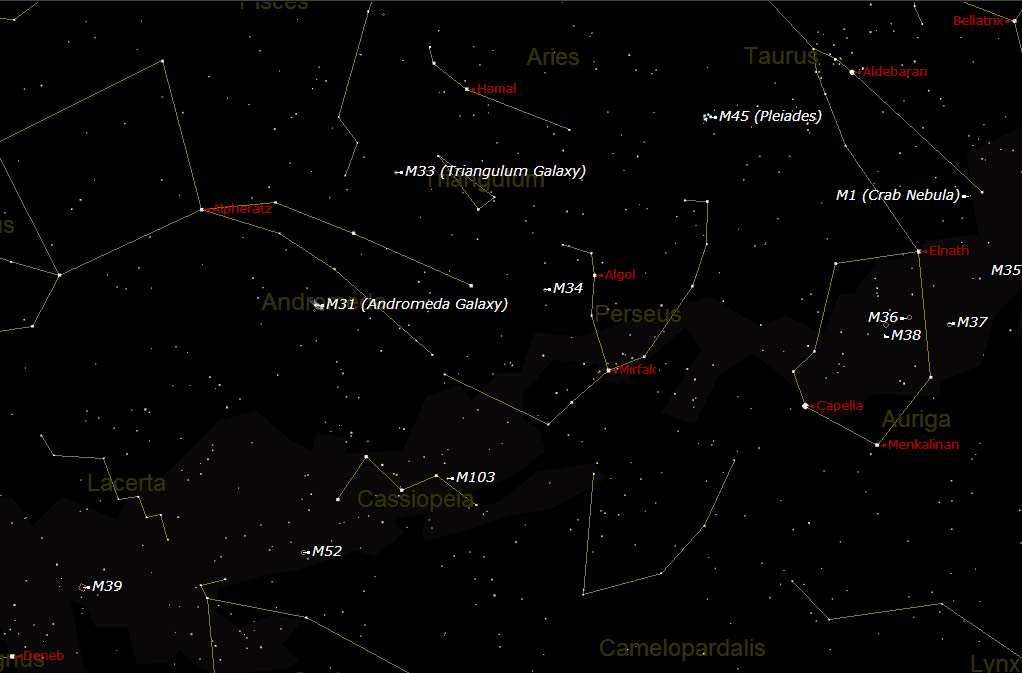
Starmaps: North | South | East | West | Overhead
Today, Ellie's listening to a sad little ode to Pluto called "I'm Your Moon."
"Pluto is the second-largest known dwarf planet in the solar system," she began the lecture. "It orbits between 29 and 49 AU from the Sun, and was the first Kuiper Belt Object to be discovered. Approximately one-fifth the mass of the Earth's Moon, Pluto is primarily composed of rock and ice. It has an eccentric orbit that is highly inclined with respect to the planets and takes it closer to the Sun than Neptune during a portion of its orbit. Pluto and its largest satellite, Charon, could be considered a binary system because they are closer in size than any of the other known planetoid/moon combinations in the solar system, and because the barycentre of their orbits does not lie within either body. However, the International Astronomical Union (IAU) has yet to formalize a definition for binary dwarf planets, so Charon is regarded as a moon of Pluto. Two smaller moons, Nix and Hydra, were discovered in 2005.
"From its discovery by Clyde Tombaugh in 1930, Pluto was considered the ninth planet from the Sun. In the late 20th and early 21st century, many similar objects were discovered in the outer solar system, most notably the Trans-Neptunian object Eris which is slightly larger than Pluto. In August 2006 the IAU redefined the term 'planet,' and classified Pluto, Ceres, and Eris as dwarf planets.
Ellie went on to talk about the Kuiper Belt. After she finished the lecture, Ellie asked, "So what do you think? Should Pluto still be considered a planet for old times sake? Or was the IAU right in their redefinition of what a planet is?"
Syllabus | Class Roster
Handouts:
Starmaps: North | South | East | West | Overhead
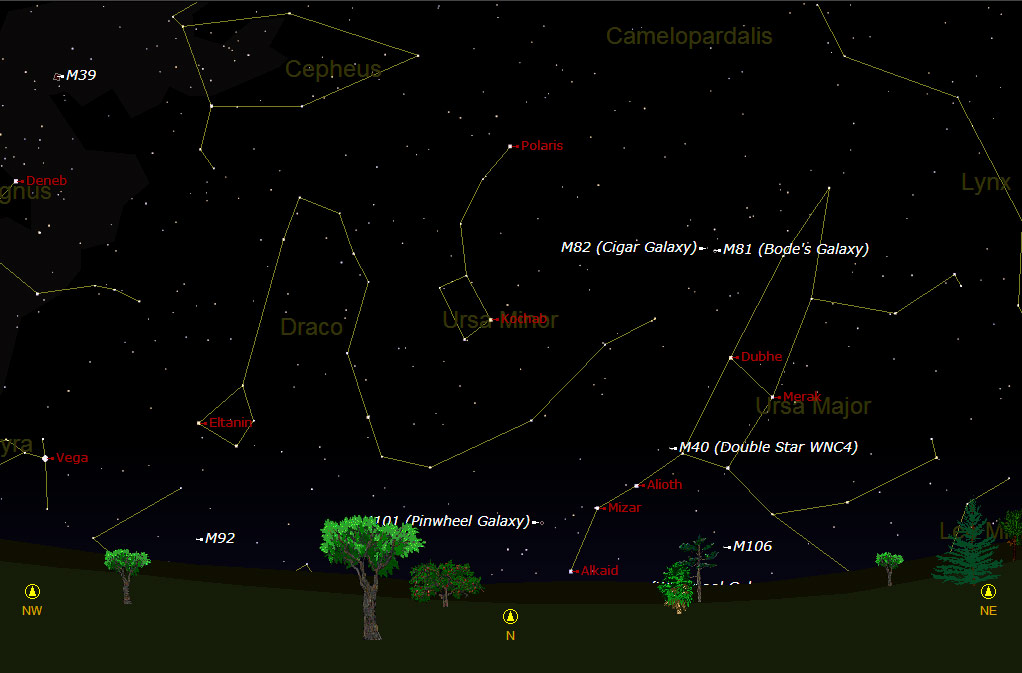
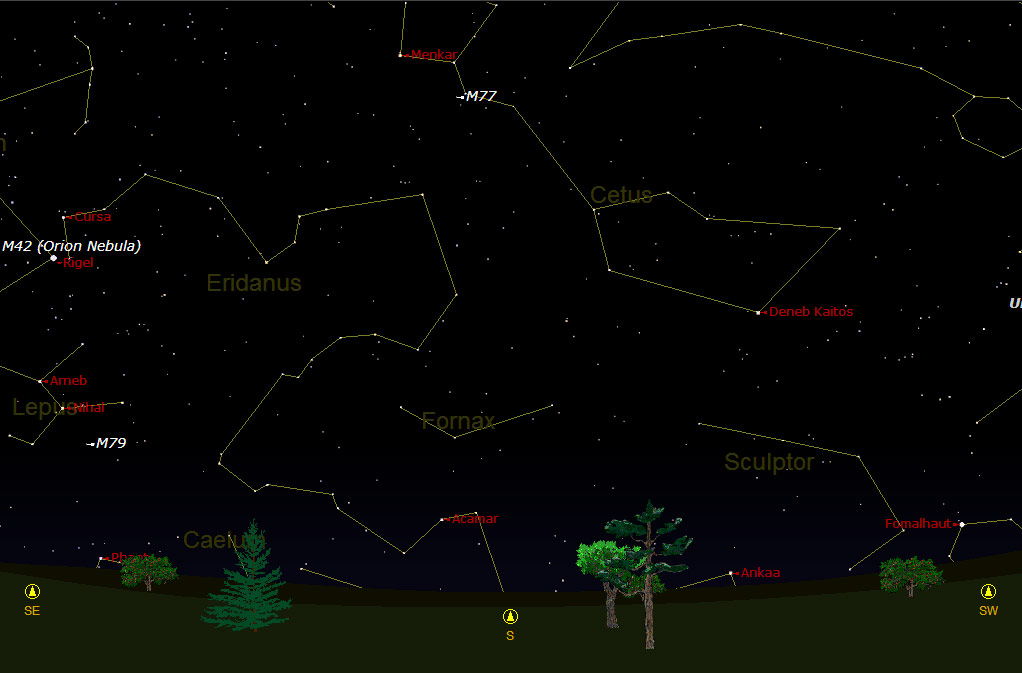
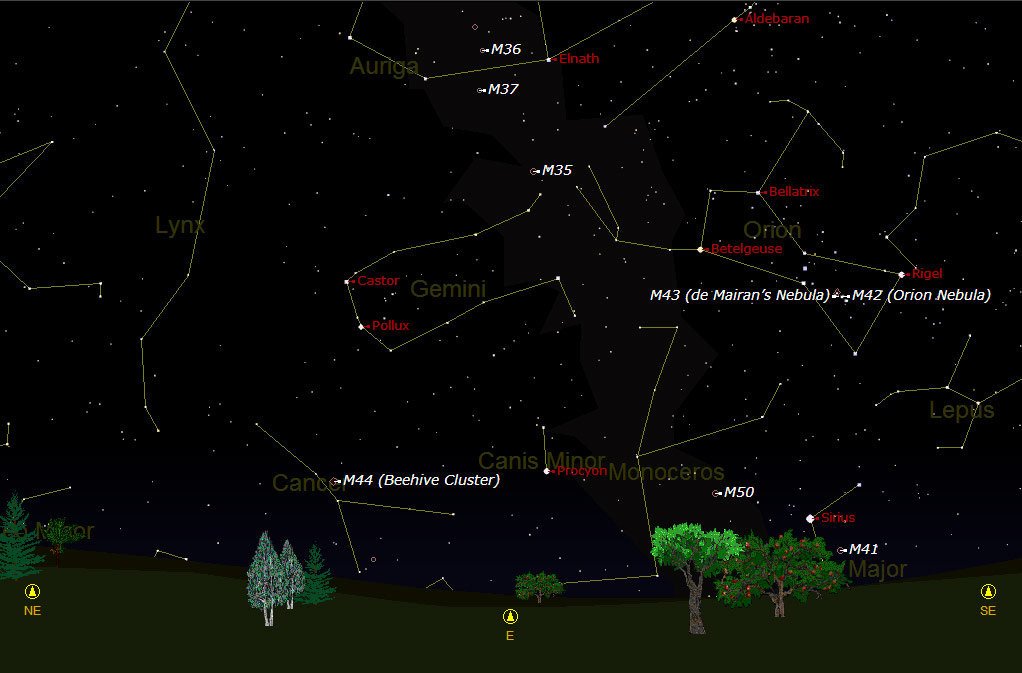
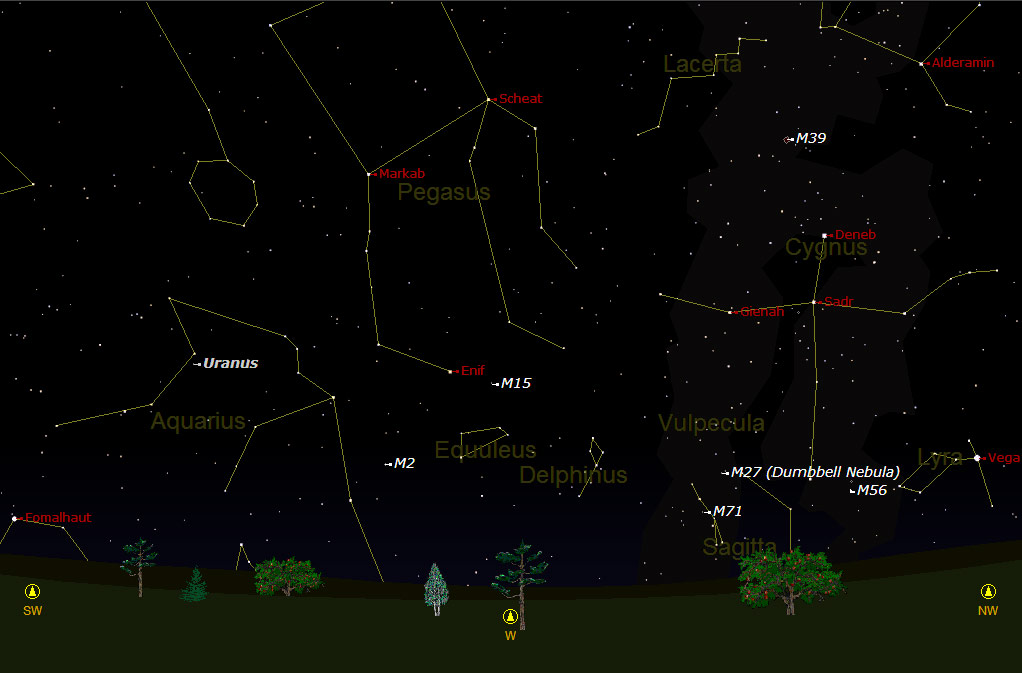
Today, Ellie's listening to a sad little ode to Pluto called "I'm Your Moon."
"Pluto is the second-largest known dwarf planet in the solar system," she began the lecture. "It orbits between 29 and 49 AU from the Sun, and was the first Kuiper Belt Object to be discovered. Approximately one-fifth the mass of the Earth's Moon, Pluto is primarily composed of rock and ice. It has an eccentric orbit that is highly inclined with respect to the planets and takes it closer to the Sun than Neptune during a portion of its orbit. Pluto and its largest satellite, Charon, could be considered a binary system because they are closer in size than any of the other known planetoid/moon combinations in the solar system, and because the barycentre of their orbits does not lie within either body. However, the International Astronomical Union (IAU) has yet to formalize a definition for binary dwarf planets, so Charon is regarded as a moon of Pluto. Two smaller moons, Nix and Hydra, were discovered in 2005.
"From its discovery by Clyde Tombaugh in 1930, Pluto was considered the ninth planet from the Sun. In the late 20th and early 21st century, many similar objects were discovered in the outer solar system, most notably the Trans-Neptunian object Eris which is slightly larger than Pluto. In August 2006 the IAU redefined the term 'planet,' and classified Pluto, Ceres, and Eris as dwarf planets.
Ellie went on to talk about the Kuiper Belt. After she finished the lecture, Ellie asked, "So what do you think? Should Pluto still be considered a planet for old times sake? Or was the IAU right in their redefinition of what a planet is?"
Re: Sign In