
http://stargazer-ellie.livejournal.com/ (![[identity profile]](https://www.dreamwidth.org/img/silk/identity/openid.png) stargazer-ellie.livejournal.com) wrote in
stargazer-ellie.livejournal.com) wrote in ![[community profile]](https://www.dreamwidth.org/img/silk/identity/community.png) fandomhigh2006-10-11 08:18 am
fandomhigh2006-10-11 08:18 am
stargazer-ellie.livejournal.com) wrote in fandomhigh2006-10-11 08:18 am


Entry tags:
Astronomy 101: Moons and Planets - Class 6
Week 6 -- October 11: Mars, the red planet
Syllabus | Class Roster
Handouts:
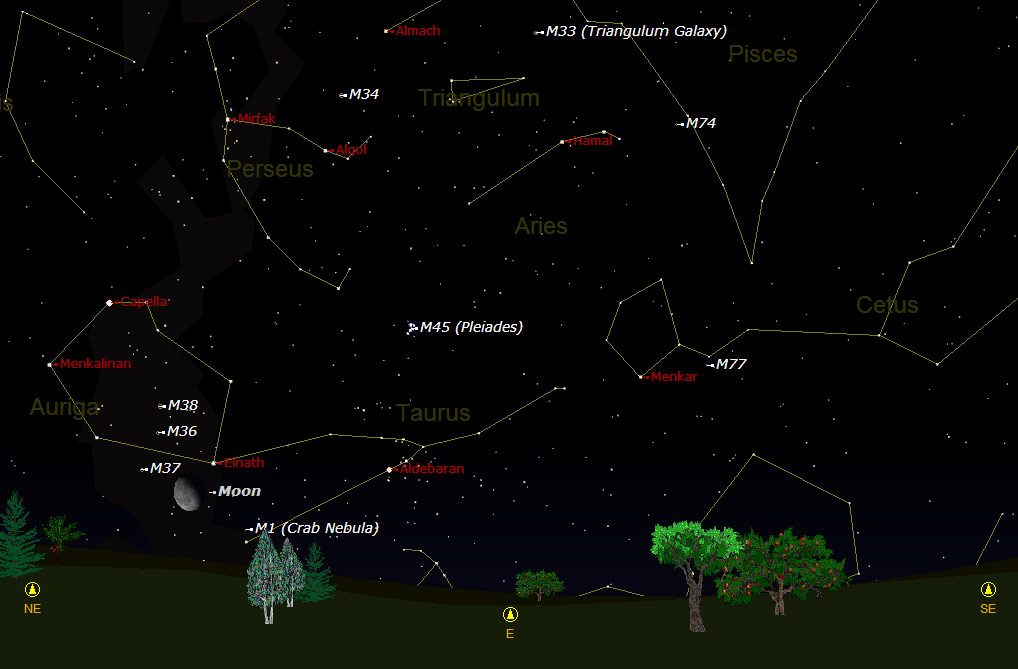
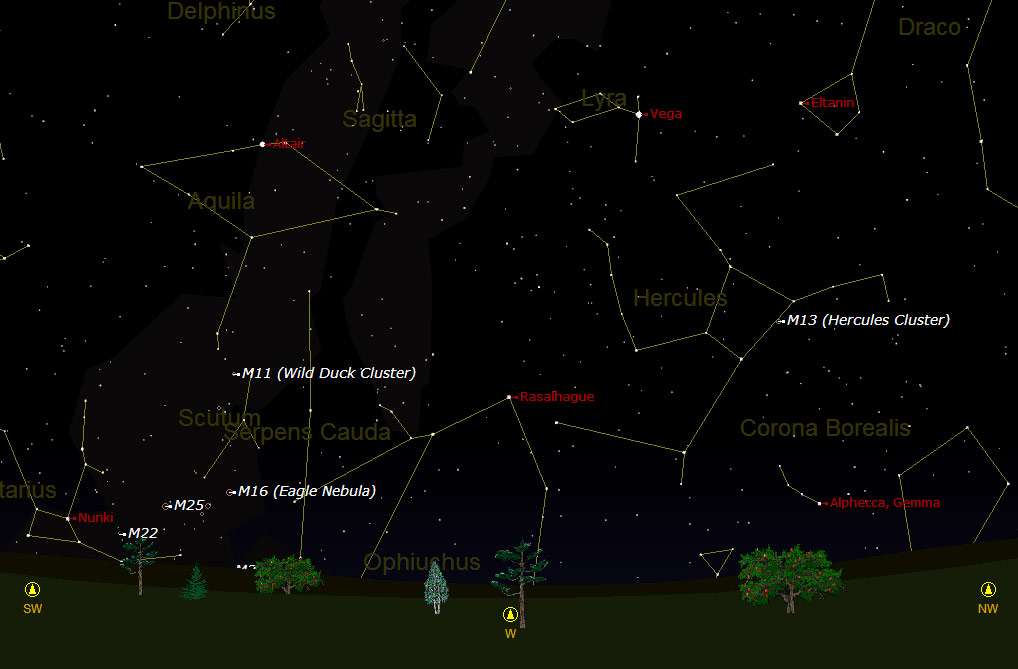
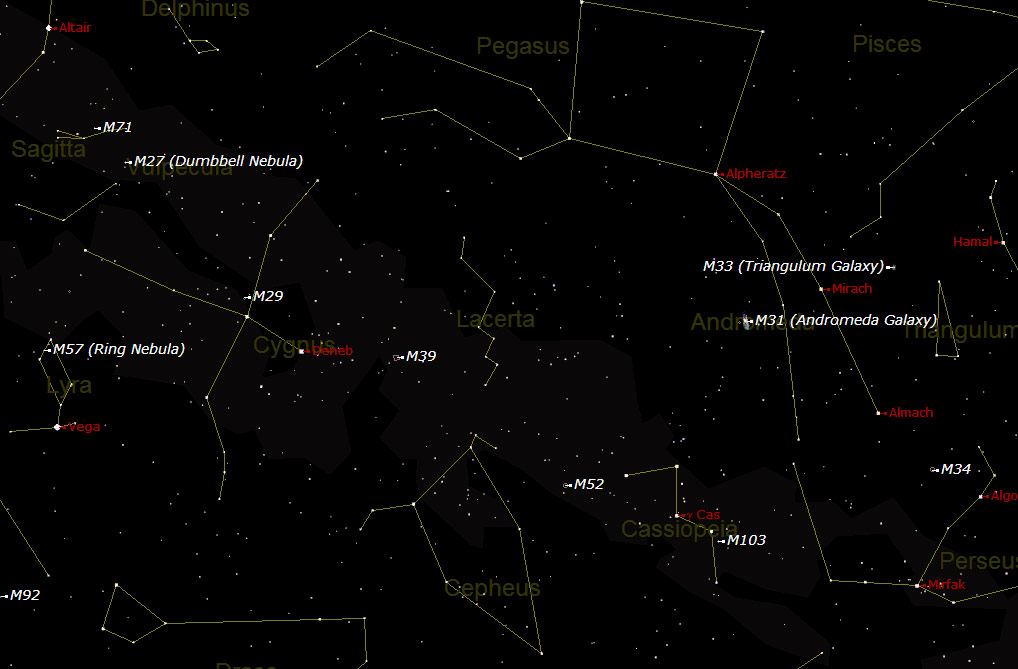
Starmaps: North | South | East | West | Overhead
The strains of Holst's "Mars, the Bringer of War" greeted the students today as they arrive. Ellie had several pictures of Mars on display as she began the lecture.
"Mars is the fourth planet from the Sun in our solar system and is named after Mars, the Roman god of war. Mars is also known as the 'Red Planet' due to its reddish appearance when seen from Earth.
Until the first flyby of Mars by Mariner 4 in 1965, it was thought that Mars had channels of liquid water. Observations later showed that these channels do not exist. Still, of all the planets in our solar system other than Earth, Mars is the most likely to harbor liquid water, and perhaps life. Its rotational period and seasonal cycles are also similar to those of the Earth. It has the highest mountain in the solar system, Olympus Mons, the largest canyon in the solar system, Valles Marineris, and polar ice caps.
Mars has two moons, Phobos and Deimos, which are small and oddly-shaped. These may be captured asteroids similar to 5261 Eureka, a Mars trojan asteroid. Mars can be seen from Earth with the naked eye. Its apparent magnitude reaches -2.9, a brightness surpassed only by Venus, the Moon, and the Sun. For much of the year, Jupiter may appear brighter to the naked eye than Mars."
Ellie continued with the lecture, going on about the geology and atmosphere of Mars, occasionally showing slides of scenes from "War of the Worlds" and "Mars Attacks!" just to see if people are paying attention. She finished up with:
"Two notes before I let you go. First, there is going to be a science fair in December, and I encourage all of you to submit a project. See me for approval if you need it. Second, Ms. Frizzle has invited our class to join her on an exploration of the Solar System with her Science! class tomorrow during period 7. If you have that hour free, please consider going. Anyone who does go -- and anyone who submits a science project for the fair -- will get extra credit for this class."
Syllabus | Class Roster
Handouts:
Starmaps: North | South | East | West | Overhead


The strains of Holst's "Mars, the Bringer of War" greeted the students today as they arrive. Ellie had several pictures of Mars on display as she began the lecture.
"Mars is the fourth planet from the Sun in our solar system and is named after Mars, the Roman god of war. Mars is also known as the 'Red Planet' due to its reddish appearance when seen from Earth.
Until the first flyby of Mars by Mariner 4 in 1965, it was thought that Mars had channels of liquid water. Observations later showed that these channels do not exist. Still, of all the planets in our solar system other than Earth, Mars is the most likely to harbor liquid water, and perhaps life. Its rotational period and seasonal cycles are also similar to those of the Earth. It has the highest mountain in the solar system, Olympus Mons, the largest canyon in the solar system, Valles Marineris, and polar ice caps.
Mars has two moons, Phobos and Deimos, which are small and oddly-shaped. These may be captured asteroids similar to 5261 Eureka, a Mars trojan asteroid. Mars can be seen from Earth with the naked eye. Its apparent magnitude reaches -2.9, a brightness surpassed only by Venus, the Moon, and the Sun. For much of the year, Jupiter may appear brighter to the naked eye than Mars."
Ellie continued with the lecture, going on about the geology and atmosphere of Mars, occasionally showing slides of scenes from "War of the Worlds" and "Mars Attacks!" just to see if people are paying attention. She finished up with:
"Two notes before I let you go. First, there is going to be a science fair in December, and I encourage all of you to submit a project. See me for approval if you need it. Second, Ms. Frizzle has invited our class to join her on an exploration of the Solar System with her Science! class tomorrow during period 7. If you have that hour free, please consider going. Anyone who does go -- and anyone who submits a science project for the fair -- will get extra credit for this class."
Re: Sign In
Re: Sign In